
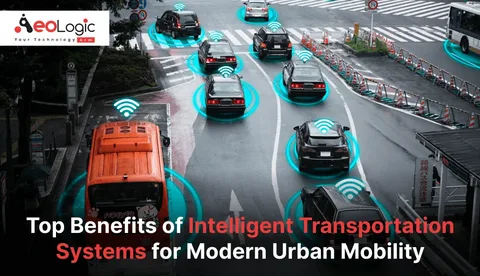
Urban transportation systems are evolving as cities seek more efficient and sustainable mobility solutions. Rapid urbanization has increased traffic congestion and environmental challenges, encouraging governments and engineers to develop smart transportation technologies.
Smart transportation systems integrate digital technologies such as sensors, data analytics, and real-time communication networks. These systems monitor traffic conditions and adjust traffic signals dynamically to improve flow and reduce congestion.
Public transportation networks are also becoming more advanced. Smart ticketing systems, digital route planning, and real-time arrival information make public transport more convenient for commuters. Improved transit systems encourage people to reduce reliance on private vehicles.
Electric buses and shared mobility services are gaining popularity in many cities. Ride-sharing platforms and micro-mobility solutions such as electric scooters offer flexible transportation options for short-distance travel.
Urban planners also emphasize pedestrian-friendly infrastructure and cycling networks. These initiatives promote healthier lifestyles while reducing environmental impact.
Smart transportation relies heavily on data collection and analysis. City authorities monitor transportation patterns to design better infrastructure and optimize traffic management strategies.
As technology continues to develop, smart mobility solutions will play a crucial role in building sustainable and efficient urban transportation systems.