
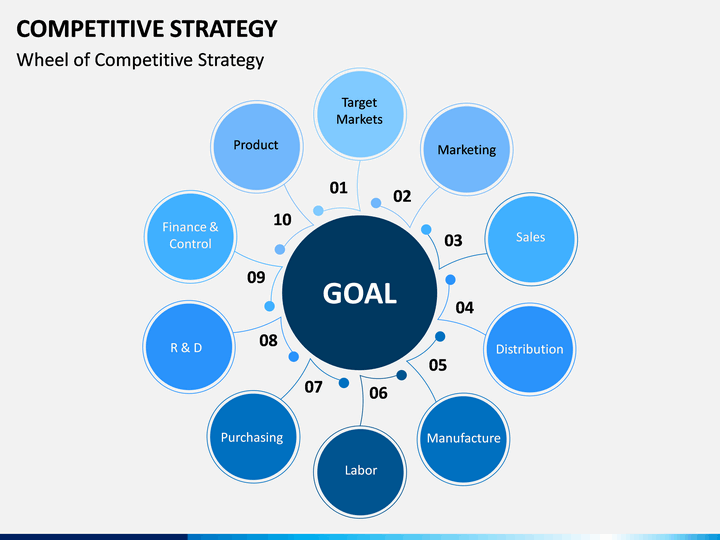
Corporate strategy determines how businesses compete and grow in dynamic markets. Successful organizations develop long-term plans that align resources, capabilities, and market opportunities. Strategic planning helps companies anticipate industry trends and maintain competitive advantages.
Market research is a fundamental component of corporate strategy. Businesses analyze consumer behavior, industry developments, and competitor activities to identify potential opportunities. Accurate information allows managers to design effective marketing campaigns and product strategies.
Innovation also plays a major role in corporate success. Companies that invest in research and development often introduce new products and services that meet evolving customer demands. Technological advancements allow businesses to streamline operations and improve efficiency.
Leadership is another important factor in strategic success. Effective leaders guide organizations through change, motivate employees, and maintain clear communication. Strategic leaders must balance short-term performance with long-term growth objectives.
Globalization has expanded business opportunities but also increased competition. Companies now compete with international firms that operate across multiple markets. Strategic partnerships and global supply chains help businesses expand internationally.
Sustainability has also become an important consideration for corporate strategies. Consumers and investors increasingly expect companies to operate responsibly and minimize environmental impact.
Organizations that develop strong strategies, encourage innovation, and adapt to changing conditions are more likely to achieve long-term success in competitive markets.