
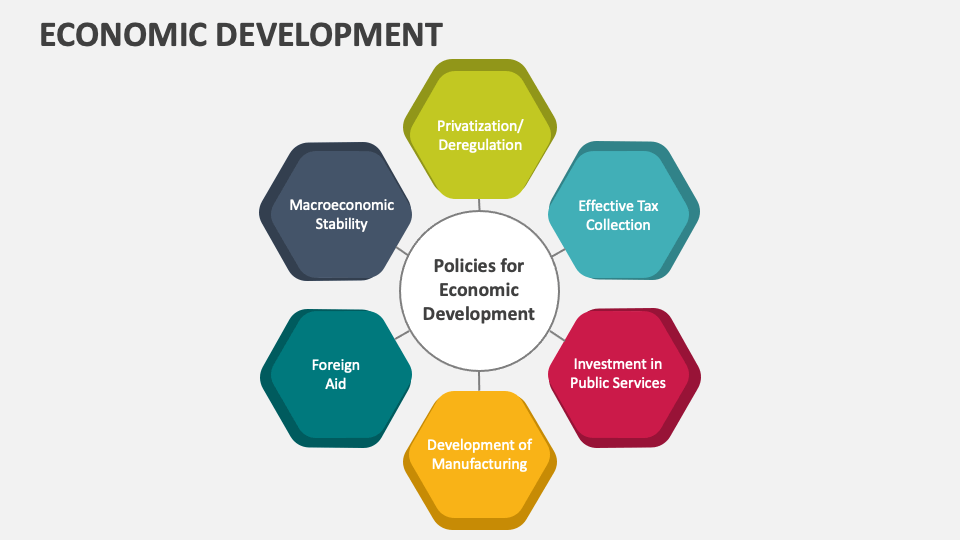
Public policy plays a critical role in shaping economic development within countries. Governments implement policies that influence investment, employment, infrastructure development, and social welfare. Effective policies create stable economic environments that encourage business growth and innovation.
One important aspect of public policy is infrastructure development. Investments in transportation networks, digital connectivity, and energy systems provide the foundation for economic productivity. Efficient infrastructure enables businesses to operate smoothly and expand their activities.
Education policy also contributes significantly to economic progress. Governments that invest in education systems help create skilled workforces capable of supporting advanced industries. Universities and vocational training institutions prepare individuals with the knowledge required for modern economies.
Fiscal policies, including taxation and government spending, influence economic stability. Responsible fiscal management ensures that governments can fund public services while maintaining balanced budgets. Policies that encourage entrepreneurship and innovation often lead to stronger economic performance.
International trade policies also shape national economic outcomes. Trade agreements allow countries to access new markets and attract foreign investment. Governments must carefully design trade strategies that support domestic industries while maintaining global competitiveness.
Successful public policy requires careful planning, research, and collaboration with private sector stakeholders. Policymakers must analyze economic data and adapt strategies based on changing conditions.
By implementing thoughtful policies, governments can create environments where businesses grow, employment opportunities increase, and citizens experience improved living standards.